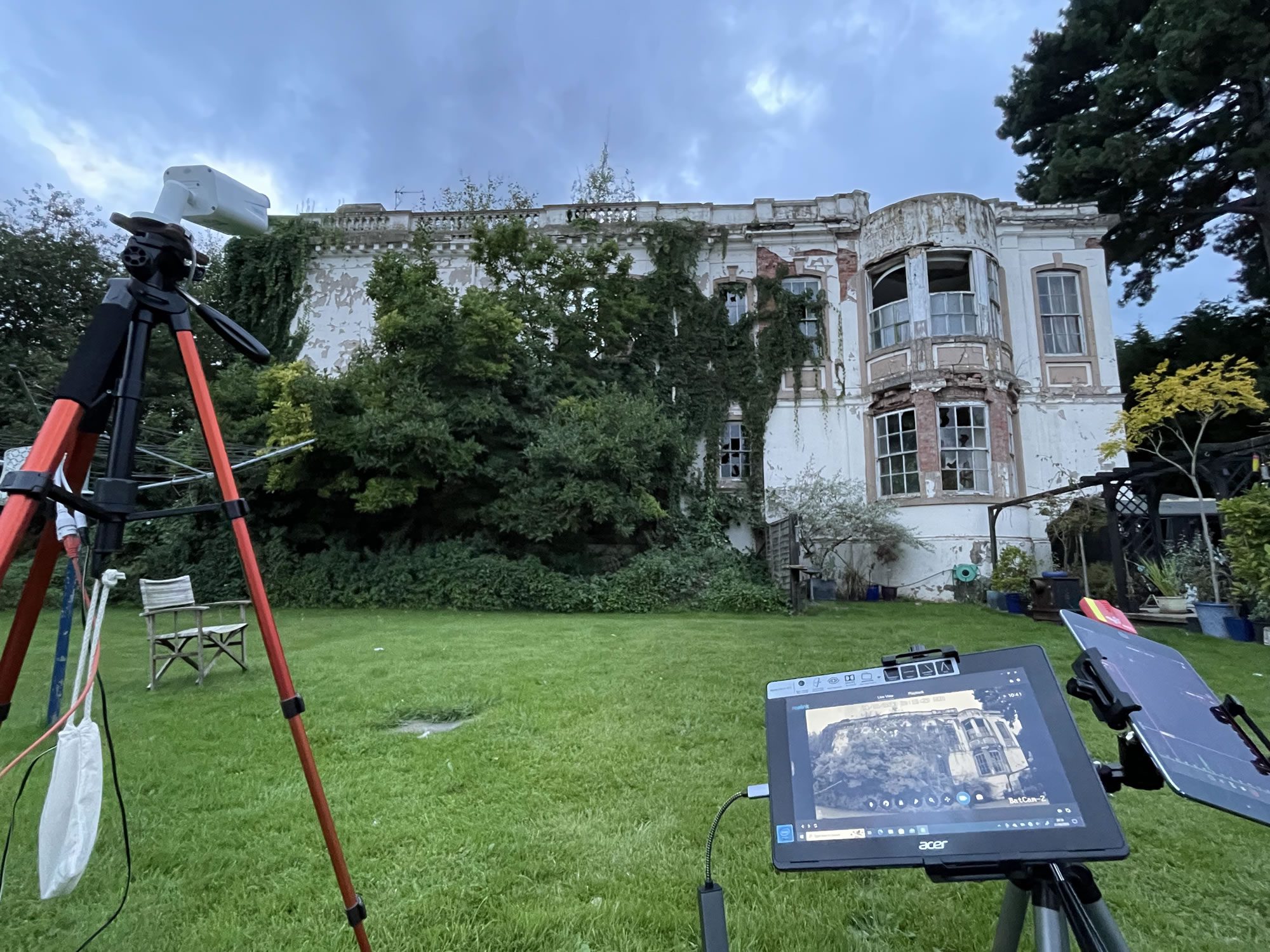
Bats rank as some of the most legally safeguarded species in the United Kingdom. All 18 species of bats found in Britain are safeguarded by both domestic and international law. This means that any activity that disturbs, harms, or destroys their roosts — even if unintentional — can lead to significant criminal penalties. For developers, landowners, architects, and planning authorities, recognising the importance of a bat survey as both a legal requirement and a practical necessity is essential. This obligation must be addressed with utmost seriousness at every phase of a project.
The main legislation that regulates bat protection in England and Wales is the Wildlife and Countryside Act 1981, with amendments. This law establishes a criminal offence for the intentional killing, injuring, or taking of any bat, as well as for intentionally or recklessly disturbing a bat while it occupies a structure or location used for shelter or protection. In Scotland, comparable protections are established under the Nature Conservation (Scotland) Act 2004. In addition to domestic law, the Conservation of Habitats and Species Regulations 2017 — which incorporated the European Habitats Directive into UK law and was maintained after Brexit — grants bats the designation of European Protected Species. The comprehensive nature of this legislation indicates that a bat survey is not merely an optional addition; it is an essential component of the due diligence process for any project that may impact buildings, trees, or land.
A bat survey is conducted by a licensed ecologist and entails evaluating the likelihood of bats roosting in or near a structure or habitat. Surveys generally consist of two types: preliminary roost assessments, which entail a daytime visual inspection of the site, and emergence and re-entry surveys, carried out at dusk and dawn when bats are active. The specific type and quantity of surveys needed will be influenced by the characteristics of the site, the time of year, and the likelihood of bat activity. Licensed surveyors utilise specialised equipment, such as bat detectors that can capture the ultrasonic calls employed by bats for echolocation, to determine the species present and their usage of the site.
Planning authorities throughout the UK consistently mandate a bat survey as an integral component of the planning application procedure. Natural England, Natural Resources Wales, and NatureScot offer guidance to local planning authorities regarding the consideration of protected species in planning decisions. If a bat survey reveals the presence of a roost, the developer is required to secure a European Protected Species licence prior to commencing any activities that may disturb or destroy that roost. Neglecting to carry out a bat survey and then disturbing a roost can lead to the invalidation of planning permission, halt construction, expose individuals to legal action, and result in substantial fines or even imprisonment.
The legal principle that necessitates a bat survey is the obligation to show that a qualified individual has evaluated the possible effects of a project on species that are protected. Courts have consistently ruled that ignorance is not a valid defence; if a roost was present and a bat survey could have reasonably identified it, the lack of a survey will not shield a developer from prosecution. Ecological consultants recommend commissioning a bat survey as early as possible in a project, preferably before submitting a planning permission application.
In addition to the legal risk, it is important to take into account the reputational aspect as well. Projects that harm bat roosts without proper mitigation draw considerable public scrutiny and can inflict enduring damage to a developer’s reputation. A well-executed bat survey reflects a dedication to responsible development and wildlife stewardship, which will be viewed favourably by planning authorities, local communities, and environmental organisations. In numerous instances, initiating the ecological survey process early enables the integration of roost mitigation into the design of a building or landscaping project in a manner that is both economical and considerate of the species concerned.
It is important to recognise that some seasons are more suitable for conducting bat survey work than others. The survey season for bats in the UK typically spans from April to October, coinciding with the period when bats are most active and their roosts are occupied. Surveys carried out beyond this timeframe may lack the necessary information to meet the demands of planning policy or licensing. The seasonal restriction indicates that neglecting to initiate a bat survey early in the project timeline can lead to considerable delays, especially if surveys are necessary across various seasons to thoroughly assess the bat population. Developers who identify this requirement late in the planning process frequently encounter expensive delays that could have been prevented with timely action.
The mitigation hierarchy represents a crucial concept in grasping the significance of a bat survey in relation to compliant development. Within this framework, the ideal strategy is to prevent harm initially, then to reduce it when prevention is not feasible, and ultimately to provide compensation for unavoidable harm through measures that effectively mitigate the ecological impact. A bat survey serves as the foundational evidence for navigating this hierarchy efficiently. In the absence of survey data, designing suitable mitigation measures becomes unfeasible, and without these measures, a licence for European Protected Species cannot be issued.
When a bat survey indicates the existence of a roost, the licensing process mandates that applicants must show three key points: first, that there is a compelling public interest or another essential reason for the project to move forward; second, that there are no acceptable alternatives to the proposed works; and third, that the species’ favourable conservation status will be preserved. Meeting this high standard is challenging, and the comprehensive data collected from a meticulous bat survey is crucial for presenting a convincing argument to the licensing authority.
The significance of a bat survey is crucial for both homeowners and commercial developers alike. Homeowners undertaking loft conversions, re-roofing projects, or tree removals in their gardens may encounter the same legal repercussions as large-scale developers if they disrupt a bat roost without the necessary surveys and licenses in place. A prevalent misunderstanding exists regarding the application of the law, which is often thought to pertain solely to large construction endeavours. In reality, any activity that may impact a potential roosting site entails legal implications, and conducting a bat survey is the suitable method to evaluate and mitigate that risk.
In summary, the necessity for a bat survey arises from a strong and effectively implemented framework of UK and retained European wildlife legislation aimed at safeguarding the long-term survival of bat species and their habitats. A bat survey serves as a crucial initial step in any responsible development process, offering the evidence required to meet planning obligations, secure necessary licenses, and safeguard both wildlife and those managing land and buildings. Engaging a qualified and licensed ecologist for a bat survey at the outset is not just advisable; it is the sole legally compliant method for development in the United Kingdom.