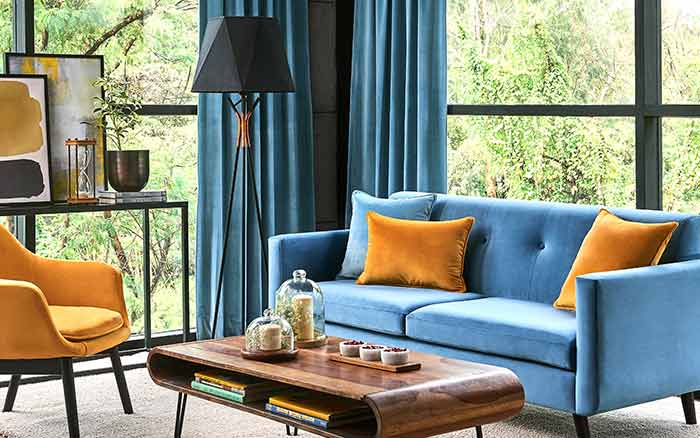
When it comes to creating a beautiful and inviting home, the choice of fabrics plays a crucial role in the overall design aesthetic. From upholstery and curtains to bedding and accessories, the fabrics you select can greatly impact the look, feel, and functionality of your living spaces. However, with the vast array of options available, choosing the right fabrics for your home decor can be a daunting task. In this article, we will explore the key considerations to keep in mind when selecting fabrics for your home, ensuring that you make informed decisions that enhance the comfort, style, and durability of your interior design.
- Durability and Wear: One of the primary factors to consider when choosing fabrics for home decor is durability. Different fabrics have varying levels of resistance to wear and tear, making it essential to select materials that can withstand the demands of your lifestyle. For high-traffic areas like sofas, dining chairs, and family rooms, opt for sturdy fabrics such as leather, cotton, wool, or polyester blends. These materials are known for their resilience and ability to maintain their appearance over time. If you have pets or young children, consider fabrics with a tight weave or those treated with stain-resistant finishes to minimize the impact of spills and accidents.
- Comfort and Texture: The tactile qualities of fabrics play a significant role in creating a comfortable and inviting atmosphere in your home. When selecting fabrics for furniture, bedding, and other items that come in direct contact with your skin, prioritize comfort and texture. Natural fibers like cotton, linen, and silk are renowned for their softness and breathability, making them ideal for upholstery, throws, and pillows. Wool and velvet offer a luxurious and cozy feel, perfect for creating a warm and inviting ambiance in your living room or bedroom. Consider the desired mood and function of each room when choosing fabrics, as the right texture can greatly enhance the overall experience.
- Color and Pattern: Fabrics serve as a powerful design element in home decor, allowing you to introduce color, pattern, and visual interest to your spaces. When selecting fabrics, consider the existing color palette of your room and choose materials that complement or contrast with the dominant hues. Bold patterns and vibrant colors can add energy and personality to a space, while subtle textures and neutral tones create a sense of calm and sophistication. Keep in mind the scale of the patterns in relation to the size of the room and the furniture pieces. Large-scale patterns work well in spacious rooms, while smaller, intricate designs are more suitable for intimate spaces or accent pieces.
- Light Fastness and Fade Resistance: Exposure to sunlight can cause fabrics to fade and deteriorate over time, particularly in rooms with abundant natural light. When selecting fabrics for curtains, drapes, or upholstery in sun-drenched areas, opt for materials with high light fastness ratings. Synthetic fibers like polyester and nylon are known for their resistance to fading, while natural fibers such as silk and wool may require additional linings or treatments to protect them from sun damage. Consider the orientation of your windows and the intensity of sunlight in each room to make informed decisions about fade-resistant fabrics.
- Maintenance and Cleaning: The ease of maintenance and cleaning is another crucial factor to consider when choosing fabrics for home decor. Some materials require specialized care, such as dry cleaning or hand washing, while others are machine washable and low maintenance. Consider your lifestyle and the level of upkeep you are willing to undertake when selecting fabrics. For high-use areas like dining rooms or children’s play areas, opt for fabrics that are easy to clean and resistant to stains, such as polyester or microfiber. In formal spaces or bedrooms, you may have more flexibility to choose delicate or luxurious fabrics that require gentler care.
- Allergies and Sensitivities: If you or your family members have allergies or sensitivities, it is essential to choose fabrics that promote a healthy indoor environment. Natural fibers like cotton, linen, and wool are generally considered hypoallergenic and breathable, making them suitable for individuals with skin sensitivities. Synthetic materials such as polyester or nylon may trap allergens and irritants, exacerbating respiratory issues. Look for fabrics treated with anti-microbial or dust mite-resistant finishes to minimize the buildup of allergens in your home. Additionally, consider using fabric protectors or regular vacuuming to maintain a clean and allergen-free living space.
- Sustainability and Eco-Friendliness: As awareness about environmental impact grows, more homeowners are opting for eco-friendly and sustainable fabrics in their home decor. Natural fibers like organic cotton, bamboo, and hemp are renewable resources that are biodegradable and have a lower carbon footprint compared to synthetic materials. Recycled fabrics, such as those made from post-consumer waste or recycled polyester, offer a sustainable alternative without compromising on quality or style. When selecting fabrics, look for certifications such as GOTS (Global Organic Textile Standard) or Oeko-Tex, which ensure that the materials meet stringent environmental and social standards.
- Budget and Value: Finally, consider your budget and the value of the fabrics you choose for your home decor. While high-quality, durable fabrics may come with a higher price tag, they often provide better long-term value due to their longevity and timeless appeal. Invest in premium fabrics for high-use pieces like sofas, armchairs, or bedding, as these items experience the most wear and tear. For accent pieces or decorative items, you can be more flexible with your fabric choices and opt for cost-effective options that still contribute to the overall design aesthetic. Keep in mind that investing in quality fabrics can save you money in the long run, as they require less frequent replacements and maintain their appearance over time.
Conclusion: Selecting the perfect fabrics for your home decor involves careful consideration of various factors, including durability, comfort, color, light fastness, maintenance, allergies, sustainability, and budget. By prioritizing these key aspects, you can create a living space that not only looks beautiful but also functions well and reflects your personal style.
Remember that the fabrics you choose play a significant role in the overall ambiance and functionality of your home. Take the time to explore different materials, textures, and patterns, and don’t be afraid to mix and match to create a unique and inviting atmosphere. Whether you prefer the elegance of silk, the coziness of wool, or the versatility of cotton, there is a fabric that will perfectly suit your design vision and practical needs.
By making informed decisions about fabrics for your home decor, you can create a space that is comfortable, stylish, and reflective of your personal taste. Embrace the power of fabrics to transform your living environment and enjoy the beauty and functionality they bring to your everyday life.
Pure Fabrics
Weston Rd, Crewe CW1 6BW
01270 621784
purefabrics.co.uk


