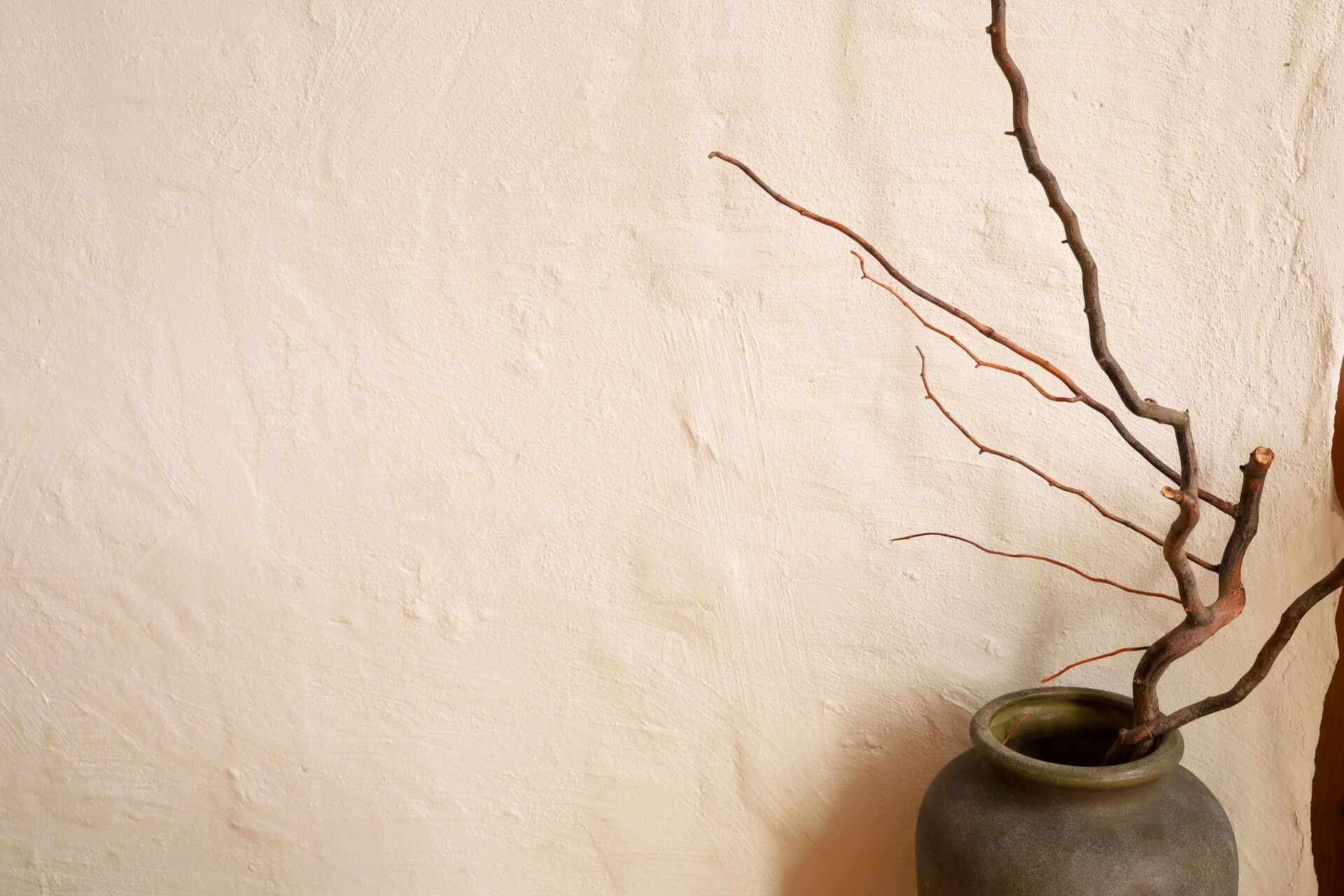
Wall finishes have a powerful influence on the mood, character and overall design of a space. While conventional emulsion paint can provide clean, even colour, many homeowners and interior designers are looking for finishes with more depth, texture and individuality. Limewash effect paint offers an attractive alternative, creating soft tonal variation and a gently mottled appearance that gives walls a more natural, layered quality.
This type of finish is inspired by the distinctive character of traditional limewash, which has been used on buildings for generations. Instead of creating a perfectly flat and uniform surface, it allows subtle shifts in colour and texture to appear across the wall. The result can feel calm, refined and full of visual interest, making limewash-style finishes suitable for a wide variety of interiors, from period cottages and townhouses to contemporary apartments and newly built homes.
Limewash effect paint is increasingly popular because it helps a room feel more considered without relying on elaborate decoration. It can introduce a sense of warmth into a minimal interior, soften the sharp lines of a modern room or enhance the existing character of a heritage property. With the right colour, preparation and application technique, this finish can create walls that feel timeless, welcoming and individual.
A Softer Alternative to Flat Paint
One of the most noticeable benefits of limewash effect paint is its ability to create visual depth. Traditional wall paint is designed to provide consistent coverage and an even colour across the entire surface. This can be ideal in many settings, but it may feel too plain for people who want their walls to become an integral part of the room’s design.
A limewash-inspired finish behaves differently. The way light falls across the wall can reveal delicate tonal shifts, soft movement and gentle variations in opacity. These changes are not flaws; they are an important part of the aesthetic. The finish can appear lighter in some areas and deeper in others, creating the impression of a surface that has developed naturally over time.
This character makes the wall feel less like a blank background and more like a decorative feature in its own right. In a living room, it can provide a calm backdrop for natural wood, linen upholstery and soft furnishings. In a bedroom, it can create an enveloping and peaceful atmosphere. In dining rooms, hallways and reception spaces, it can add depth and sophistication without the need for heavily patterned wallpaper or bright feature colours.
The effect is especially appealing because it remains understated. Rather than demanding attention, it creates interest through subtle detail. This makes it a versatile option for people who prefer interiors that feel relaxed, elegant and visually balanced.
Bringing Texture and Character to Interiors
Texture is an important element of interior design, yet it is often introduced only through furniture, fabrics, flooring and accessories. Walls provide a large visual surface, so adding gentle texture through paint can transform the overall feel of a room. Limewash effect paint brings a tactile, handcrafted quality that can help an interior feel warmer and more personal.
This is particularly beneficial in spaces that might otherwise feel stark or overly polished. Modern homes often use clean lines, smooth surfaces and neutral palettes, which can look attractive but occasionally lack softness. A textured wall finish can balance these elements by introducing a more organic quality. The result is an interior that feels contemporary while still offering depth and comfort.
In period properties, a limewash-style finish can complement original features such as exposed beams, fireplaces, timber floors, stonework and traditional joinery. It can enhance the sense of history within the home without making the interior appear old-fashioned. Softly varied paint colours work especially well alongside natural materials, helping to create a finish that feels sympathetic to the building while remaining practical for modern living.
Limewash effect paint can also be used to create a subtle focal point. Applying it to one wall in a bedroom, a dining area or an entrance hall allows the texture to become a feature while maintaining a quieter finish elsewhere. Alternatively, using the same colour across all walls can create a more immersive and cohesive look, particularly in smaller spaces where a continuous scheme can make the room feel more complete.
A Natural Look for Modern Homes
Many interior trends now favour natural materials, earthy colours and finishes that feel less manufactured. Timber, stone, clay, linen, rattan and handcrafted ceramics are regularly used to make rooms feel calmer and more connected to nature. A mineral-based wall finish sits comfortably within this approach.
The soft, chalky appearance associated with limewash works particularly well with warm neutrals, muted greens, dusty blues, soft terracottas and earthy browns. These colours can create a restful backdrop while still offering more personality than a standard white or grey wall. The subtle movement within the finish means that even gentle shades can feel expressive and richly layered.
Limewash effect paint can be used in many different interior styles. In a rustic or country-inspired home, it can complement reclaimed wood, vintage furniture and natural textiles. In a Scandinavian-inspired interior, pale tones can enhance the sense of light, simplicity and calm. In more contemporary settings, deep mineral colours can bring drama and sophistication to clean architectural lines.
Because the finish is not entirely uniform, it also reacts beautifully to changing light throughout the day. Morning sunlight, evening lamps and shadows cast by furniture can all alter the way the wall appears. This gives the room a sense of movement and life that flat paint may not achieve in the same way.
Enhancing Different Rooms
The versatility of this finish means it can be considered for many parts of the home. Living rooms are an obvious choice because they benefit from a warm, inviting atmosphere. A softly textured wall can make the space feel comfortable and refined, providing an elegant setting for everyday relaxation as well as entertaining guests.
Bedrooms are another excellent setting for limewash effect paint. The gentle variation of the finish can create a cocooning effect, particularly when used in muted, calming shades. Soft sage, warm stone, misty blue and pale clay tones can all contribute to a restful environment that feels separate from the busier parts of the home.
In hallways and entrances, textured paint can make a memorable first impression. These spaces are often overlooked because they may not have much natural light or room for decorative furniture. A characterful wall finish can provide visual interest without taking up valuable floor space. It can make the journey between rooms feel more intentional and help establish the design tone for the rest of the home.
Kitchens can also benefit from this look, especially in eating areas or on walls away from direct cooking splashes. The warmth of a mineral finish can soften the hard surfaces commonly found in kitchens, such as stone worktops, cabinetry and tiled floors. Where walls are likely to experience greater moisture, steam or regular cleaning, choosing suitable preparation and a compatible protective top coat can help preserve the appearance of the finish.
Bathrooms may also be suitable when the product system is designed for use in humid settings and the room has adequate ventilation. A limewash-inspired finish can create a spa-like feel, particularly when paired with natural stone, timber accessories and brushed metal fittings. Careful product selection and preparation are important in these spaces to ensure the finished surface performs as intended.
An Individual Finish Every Time
One of the most appealing qualities of limewash effect paint is that no two applications look exactly the same. The finished appearance depends on the colour chosen, the texture and absorbency of the wall, the brush technique, the number of coats and the direction of application. This individuality is a major part of the appeal.
People often choose this style of paint because they do not want a wall that looks mass-produced or overly uniform. The hand-applied quality gives the finish a more artistic feel. Even a simple neutral colour can become more interesting when it includes layered depth and subtle variation.
Application technique plays an important role in achieving the desired effect. A specialist brush is often preferred because it allows the paint to be worked into the surface with broader, more expressive strokes. Different brush movements can create a soft clouded effect, a more defined cross-hatched appearance or gentle directional texture. It is useful to test the technique on a sample board or a discreet area before applying it across an entire room.
Limewash effect paint often looks best when its natural variation is embraced rather than corrected. Attempting to make every section identical can reduce the very character that makes the finish special. By allowing the paint to develop naturally across the wall, decorators can create a result that feels authentic, balanced and full of personality.
Supporting Breathability and Surface Quality
Many limewash-style and mineral coatings are valued for their breathable qualities. In appropriate settings, a breathable finish can allow moisture vapour to move through a wall rather than becoming trapped beneath an impermeable coating. This can be particularly relevant in older properties with solid walls, lime plaster or traditional construction methods.
A suitable breathable coating can help maintain the natural behaviour of these surfaces while providing a decorative finish. However, the condition and composition of the existing wall should always be considered before starting work. Surfaces with loose paint, damp issues, active staining or unsuitable previous coatings may need preparation or professional attention to achieve the best result.
Limewash effect paint can offer a more sympathetic choice for interior schemes that aim to respect the materials and character of a traditional building. It can complement lime plaster, exposed brickwork and natural stone while producing a softer and more layered appearance than many standard paints.
Even in newer homes, the mineral-inspired look can be attractive because it brings a sense of authenticity to smooth modern walls. The finish offers a way to introduce a handcrafted quality without major structural changes, making it an accessible design choice for homeowners who want to make their interior feel more distinctive.
Preparing for a Beautiful Result
Preparation is vital for any decorative paint finish, and it is particularly important when using a product designed to highlight texture and tonal variation. The wall should be clean, dry, sound and free from loose material. Cracks, holes and imperfections should be filled where appropriate, although minor surface variation may complement the finished look in some settings.
The existing surface will influence how the paint is absorbed and how the colour develops. Highly porous areas may take up more paint, while previously sealed or glossy surfaces may require specific preparation to ensure good adhesion. Using a compatible base coat or primer can create a more consistent foundation and help the decorative finish perform as intended.
Colour sampling is also highly valuable. The same shade can look very different depending on the amount of natural light in the room, the direction the room faces and the colours of adjacent furniture, flooring and fabrics. Testing a sample on the wall and observing it at different times of day can make the final choice much easier.
This approach allows homeowners to choose a shade with confidence and understand the degree of texture they can expect. It also helps create a more successful overall scheme, ensuring that the wall finish works harmoniously with the rest of the interior.
A Timeless Decorative Choice
Limewash effect paint offers a positive way to move beyond plain, uniform walls. Its gentle tonal variation, textured appearance and natural character can transform a room into a space that feels warmer, more sophisticated and more personal. It works with a broad range of colours and design styles, making it suitable for both heritage homes and modern interiors.
Whether used to enhance a single feature wall or to create a complete room scheme, limewash effect paint can add a lasting sense of depth and individuality. It provides a finish that responds beautifully to light, complements natural materials and creates an atmosphere that feels calm and considered.
For homeowners, decorators and designers who want more than simple colour, this type of paint provides an opportunity to introduce texture, artistry and timeless appeal. With thoughtful preparation, suitable application and a willingness to embrace its subtle variation, a limewash-inspired finish can bring distinctive beauty to every room it touches.
Get in Touch:
Limewash.com
Pattenden Ln, Marden, Tonbridge TN12 9QJ
0800 368 9857
limewash.com


