Tailoring Your Flight: Why Personalised Solutions Matter
When planning private travel, details determine whether a journey is merely convenient or genuinely transformative. Tailored air charter places those details at the heart of the experience, matching aircraft, timings and onboard arrangements to a passenger’s precise priorities rather than forcing travellers to adapt to a fixed schedule or single solution. For businesses, families and event attendees alike, bespoke arrangements can improve productivity, comfort and logistics in ways that standard options cannot easily match. Charter-A Ltd, which arranges private jets, helicopters and air taxis from its base at Redhill Aerodrome, exemplifies a brokerage approach that aims to assemble individual solutions from a wide supplier base.
Matching Aircraft to Purpose: More Than Size
Choosing the right aircraft is not simply about seat count. Tailoring means considering range, runway performance, cabin layout, luggage capacity and even turnaround times. For a short regional hop, a turboprop or light turboprop air taxi can offer access to smaller airfields closer to your destination. A light or super-light jet will increase cruise speed and reduce travel time for mid-range European trips, while a midsize or long-range jet suits intercontinental itineraries and higher passenger counts. Thinking beyond headline categories lets organisers pick the machine that best fits the trip’s operational and comfort needs.
Service Elements That Make a Real Difference
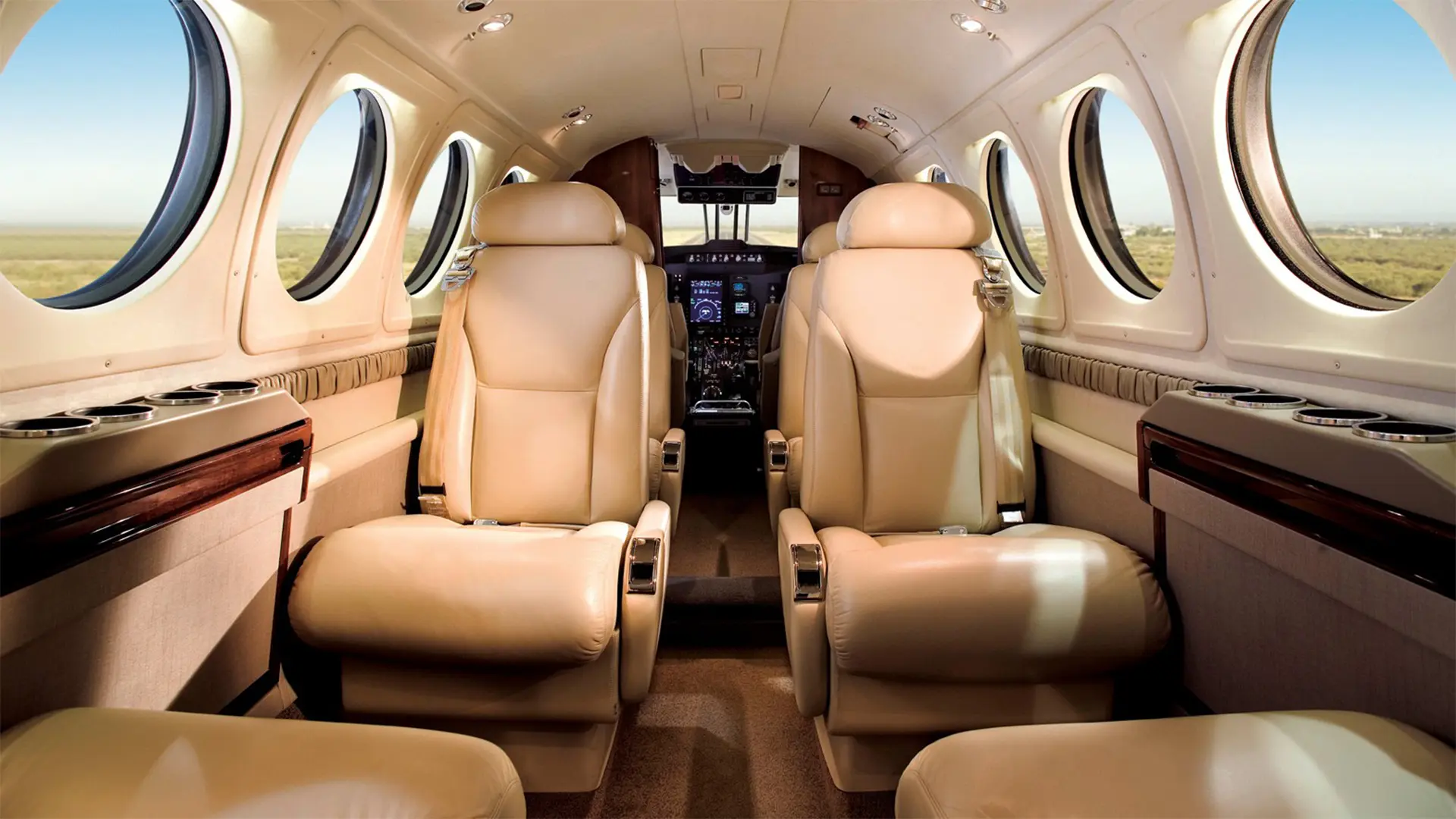
Personalised air charter extends to services as much as to aircraft. Arranging pet-friendly cabins, allocating space for specialist equipment, organising bespoke catering, or coordinating group seating can all be handled in advance. For corporate travellers, a cabin configured for work — with a quiet layout, reliable connectivity and flexible seating — preserves productivity in the air. Leisure customers benefit from curated arrival timings, private ground transfers and tailored on-board hospitality. Those small but specific choices shape the travel experience and often determine whether a flight truly meets the customer’s objectives.
Operational Flexibility: Timings, Airports and Routes
One of the most tangible benefits of tailoring is scheduling freedom. Private charters can depart at preferred times, access less-congested regional airports and plan routings that avoid unnecessary ground transfers. Helicopter transfers, in particular, remove the final-mile friction often associated with major events or remote venues. These operational options reduce wasted hours and simplify complex itineraries — an important consideration when schedules are tight or when meetings and events depend on punctual arrivals.
How Brokers Deliver Choice and Responsiveness
Air charter brokers act as matchmakers, sourcing aircraft from a network of operators to fit a customer’s specifications. This brokerage model emphasises choice: it allows customers to compare aircraft types, service inclusions and inclusive quotations without having to approach multiple operators individually. Brokers that operate with 24-hour availability and a focus on personalised support can be particularly effective at assembling last-minute or multi-sector journeys, managing the details that a one-size-fits-all booking system cannot readily address.
When a short hop between regional airfields is the right answer, an air charter can often be faster and more convenient than scheduled services, cutting out long airport transfers and allowing departures from aerodromes that are physically closer to your origin and destination.
Preparing Effectively for a Tailored Charter
Getting the most from a bespoke flight starts with clear briefing. Provide accurate passenger numbers, luggage needs, any special requirements such as pets or medical equipment, and the preferred timings for departure and return. If meetings or connections hinge on the flight, explain required arrival times including necessary margins. A good broker will turn that brief into practical options, offering aircraft choices and transparent pricing so clients can weigh trade-offs — for example, a slightly larger cabin for additional comfort versus a smaller type for better field access.
Choosing Between Helicopter, Air Taxi and Private Jet
Different aircraft categories solve different problems. Helicopters excel for transfers where roads are congested or where there is a genuine advantage in landing closer to the destination, such as at a sporting venue or remote estate. Air taxis and turboprops offer an economical way to travel between regional airports and are well-suited to short hops with limited baggage. Private jets bring speed, range and cabin comfort for longer routes and executive travel. Tailoring means using these platforms in combination where appropriate — a helicopter transfer to a regional airfield followed by a turboprop hop can be a highly efficient multi-modal solution.
Practical Examples of Tailored Itineraries
Consider a corporate delegation travelling from central London to a coastal conference. A tailored itinerary might combine a helicopter transfer from a city heliport to a nearby regional aerodrome, followed by a short turboprop flight to an airfield close to the conference town. The return leg could be timed to fit the delegates’ meeting schedules, removing the need for overnight stays and minimising lost working time. For family travel, flexibility might mean selecting an aircraft with a larger cargo hold for sports equipment and setting an afternoon departure to keep children’s routines undisturbed.
Value Considerations: Cost Versus Benefit
Tailored solutions are about value rather than simple price comparisons. Private travel will generally cost more than a commercial fare, but the time saved, reduced stress and operational advantages often justify the premium for many customers. Transparent, inclusive quotations help purchasers assess value by clearly showing what is and isn’t covered. Brokers that present clear breakdowns of costs — including positioning legs, handling fees and any overnight expenses — enable clients to compare practical options for a given budget.
Safety, Documentation and Practicalities
While tailoring is focused on convenience and fit, it also requires practical checks. Ensure passports and visas match destination requirements, declare any specialised items in advance and confirm seating for children or passengers with reduced mobility. A good broker coordinates these details with the operating crew and handling agents so that documentation, security and ground transfers align with the bespoke plan. Advance coordination reduces the risk of last-minute complications and helps the itinerary proceed smoothly.
When Bespoke Charter Is Particularly Worth Considering
Bespoke charter is particularly attractive when schedules are complex, time is at a premium, or where access to a specific airfield or landing site is crucial. It is also well suited to last-minute changes, group travel that needs unified logistics, and itineraries that require a combination of aircraft types. For event organisers and sports teams, helicopters and targeted air taxi solutions can simplify movements and elevate the guest experience. Ultimately, tailored solutions are about aligning transport precisely with the trip’s purpose rather than adapting the trip to the transport.
Making Tailored Charter Work for You
Tailored air charter delivers greatest value when the planning process is collaborative. Provide a clear brief, ask for inclusive options, and allow the broker to propose aircraft and routing permutations. Brokers with a broad operator network and round-the-clock availability can assemble solutions that a single operator might struggle to match. For many travellers and corporate teams, the result is a smoother, more productive journey that better reflects the real priorities of the trip.
Tailored thinking turns air charter into a precise tool rather than a blunt choice; by aligning aircraft, schedule and service to the trip’s specific aims, travellers gain more than convenience — they gain an itinerary that actively supports their objectives, whether those are time savings, comfort, logistics or all three.


