Plumbing and electrical emergencies rarely announce themselves, and when they happen in a London home or business the stress can make clear thinking harder than it should be. A little advance planning — focused on practical, local realities rather than only on insurance or tools — makes an urgent call-out less disruptive and helps protect property and people.
Most advice concentrates on whom to call, or on broad safety pointers, but homeowners and property managers often miss small, high-impact details: where the building stopcock really is, whether the fuse box is labelled, how to grant quick access to a flat, or which valuables to remove immediately. These items save time and reduce damage when an engineer arrives.
In a genuine emergency many Londoners instinctively search for a local solution — typing 24 hour plumber and electrician London into a search bar — but having a prepared, personalised list of contacts that includes a trusted local company such as EmergencyFix24, plus a neighbour or building manager, is quicker and steadier than relying on a last-minute internet hunt.
A short series of simple actions you can carry out within the first five minutes is another commonly overlooked point. Isolating the mains water and power where appropriate, moving furniture clear of drips, and containing rather than spreading a leak are immediate priorities that reduce loss while you wait for professional help.
Landlords, managing agents and businesses have additional practical details to plan for: authorised key holders, access codes, and where to find building plans or tenant contact details. Preparing photographic records and knowing where to locate meters and stopcocks are often the difference between a straightforward repair and a protracted claim process.
Finally, note small communications preparations: keep a digital photo of your fuse box and water stopcock location on your phone, store emergency contacts in speed-dial, and decide in advance who should be notified in the event of a major leak or power failure. These quiet choices take little time up front and pay dividends when seconds count.
Map the Essentials Before an Incident
Creating a simple map of your property’s essential access points is a practical first step. This need not be a formal plan: a labelled photograph or a sketch in a shared cloud folder that shows the water stopcock, the electricity consumer unit (fuse box), main gas isolation (if applicable), and any external stopcocks or valves will save explanation time on the telephone and speed an attending engineer to the precise point of failure.
In flats and mansion blocks these items are often in communal corridors, utility cupboards or under kitchens, so include notes about where building keys, fob readers or concierge details are kept. For period homes, add the cellar or outbuilding locations where older valves may be fitted.
Memorise a Short Safety Checklist
Having three or four immediate safety actions memorised makes response routine rather than panicked. For plumbing incidents this usually means locating and turning off the main water stopcock and moving rugs and furniture from the affected area; for electrical faults it means isolating the relevant circuit at the consumer unit, avoiding contact with water-damaged sockets and not repeatedly resetting tripping devices.
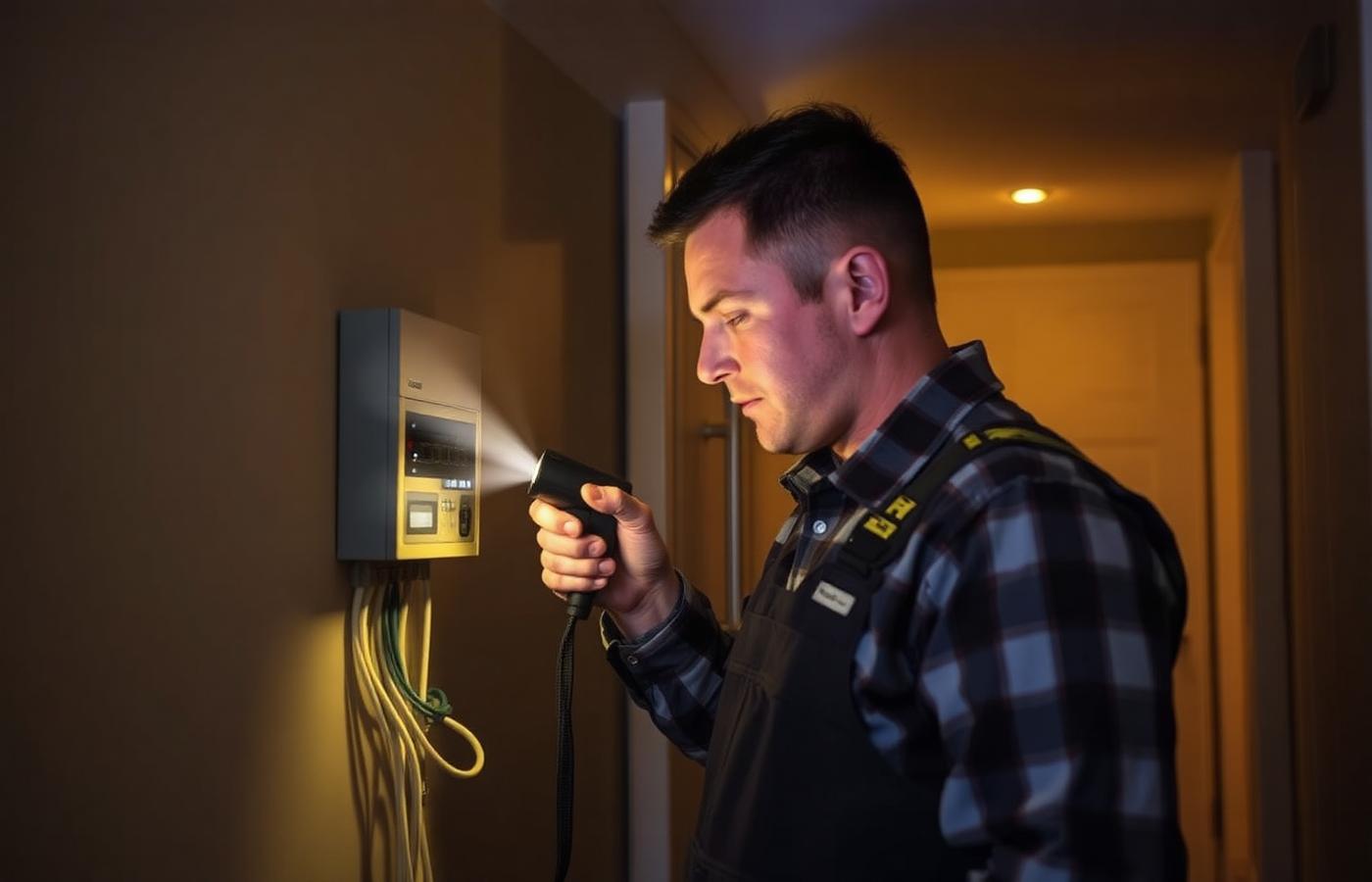
Keep a torch nearby: power failures often happen when daylight is limited. A clearly labelled set of gloves and towels near the stopcock will help contain spills safely. If there is any sign of smoke or exposed live wiring, prioritise leaving the premises and contacting professionals rather than attempting fixes yourself.
Assemble an Emergency Contact Pack
An emergency contact pack is most useful when it is short, accessible and shared. Include three categories: immediate contacts (trusted family members or neighbours), professional contacts (your regular plumber or electrician, and a 24-hour emergency service), and building contacts (concierge, managing agent or on-site caretaker).
Store the pack as a physical printout in a kitchen drawer and as a digital copy on your phone and a cloud folder. Add the property’s address in full, the best entry instructions for engineers, and photographs of the consumer unit and stopcock so that whoever answers a call can advise quickly and accurately.
Practical Preparations Specific to Central and West London Properties
Living in Central or West London brings particular practicalities: narrow streets affecting vehicle access, controlled parking zones or ULEZ restrictions, and a high density of flats where communal access rules apply. Note any parking permits you can use for an emergency vehicle, and keep contact details for the building manager or superintendent to speed entrance when an engineer arrives.
In areas with high-rise or period properties, an engineer may require advance notice to bring specific equipment or to arrange scaffold or lift access. Making a short note of stair dimensions, lift access and any tight passages will avoid a wasted early visit caused by missing information.
How Landlords and Managing Agents Can Make Repairs Quicker
For those responsible for multiple properties, streamlining access and documentation is essential. Keep a central file with keys, authorised-release forms signed by tenants, and a simple invoice template for rapid processing. Where expectations exist for out-of-hours response, a nominated emergency contact and an agreed process for granting entry will reduce delay and tenant distress.
Commercial customers should consider basic account arrangements with emergency providers so approval and invoicing can be handled promptly. Discussing the possibility of monthly invoicing and clear itemised reports following work helps maintain business continuity when faults occur outside normal hours.
Simple Kit Worth Keeping
A modest, clearly labelled emergency kit covers most small incidents and makes initial containment straightforward. Useful items include a heavy-duty torch and spare batteries, a roll of absorbent towels, a set of rubber gloves, an adjustable spanner, a hand pump or buckets, and clear labels or tape to mark an isolated circuit on the consumer unit.
Also keep basic documentation in the kit: a printed copy of the emergency contact pack, photographs of key utility locations, and any relevant tenancy or insurance numbers. These help the attending engineer understand previous work and speed repair decisions without unnecessary calls to the office.
Knowing When Professional Help Is the Right Call
Certain situations require immediate attendance by a qualified engineer rather than DIY measures. Examples include a burst pipe that cannot be stopped at the stopcock, water entering electrical fittings or consumer units, persistent circuit tripping that indicates a fault, and any signs of overheating or burning around sockets and switches.
When you call a professional, be ready to describe clearly what you have done so far and what you can see — this helps the dispatcher prioritise kit and expertise. A good emergency service will give telephone guidance on safe interim steps, provide an estimated arrival time and explain charges before carrying out further work.
How Thoughtful Planning Reduces Cost and Distress
Advance planning seldom prevents a fault entirely, but it often reduces the extent of damage and shortens an engineer’s time on site. Clear access, labelled utilities and a known chain of contact turn a chaotic response into an efficient one: engineers can get to the root of the problem faster, and customers have the documentation needed for insurance or landlord records.
Crucially, thoughtful preparation lessens stress. Knowing where to find the stopcock, who will let the engineer in, and which items to prioritise for protection gives householders and business owners the confidence to manage an emergency calmly while professionals take care of the repair.
Practical Next Steps You Can Take Today
Spend an hour creating your emergency pack: photograph the consumer unit and stopcock, write down three trusted contacts, and keep a basic tool-and-towel kit in an obvious cupboard. Share the plan with family members, tenants or staff so that someone else can act if you are not present.
Planning does not require perfection — it requires attention to small, often-neglected details that have big practical benefits. With a little preparation tailored to Central and West London living, you make emergencies easier to handle and allow professional engineers to focus on restoring normality as quickly as possible.


